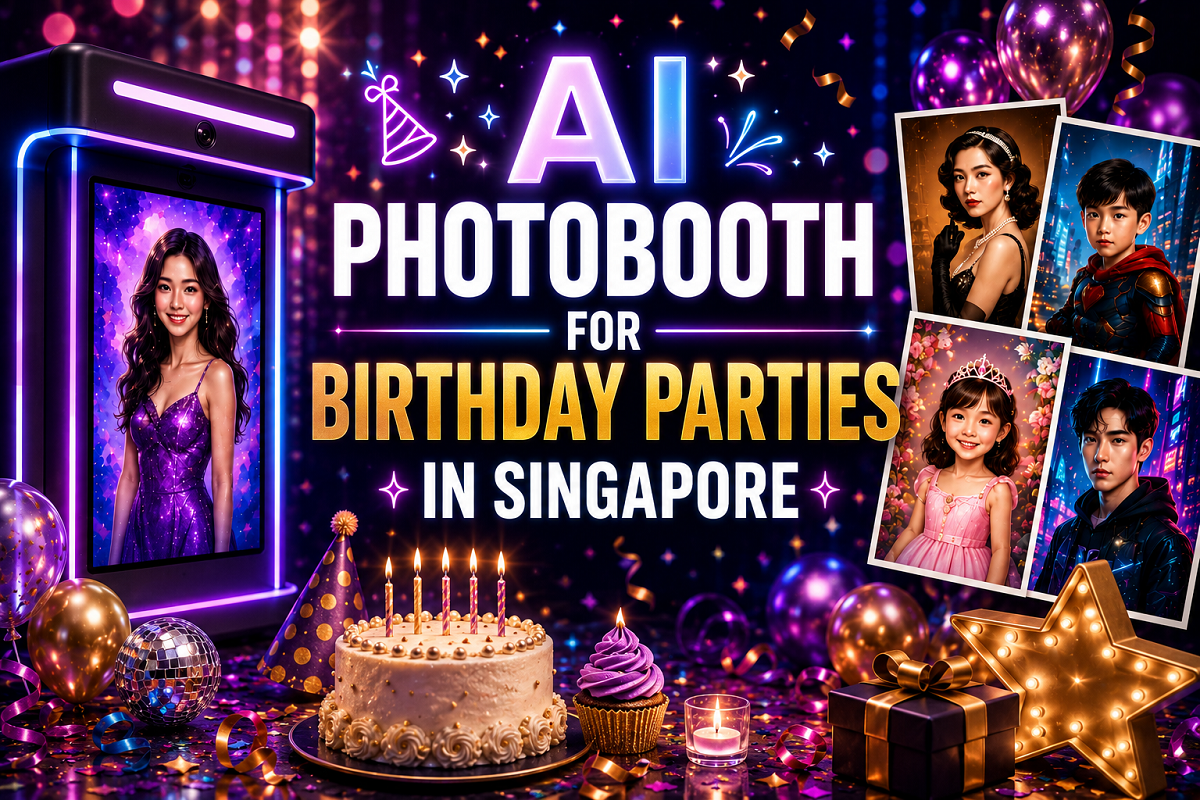
AI Photobooth for Birthday Parties in Singapore: Fun, Creative and Instantly Shareable
Looking for the perfect entertainment experience for a birthday party in Singapore? An AI photobooth is one of the most…

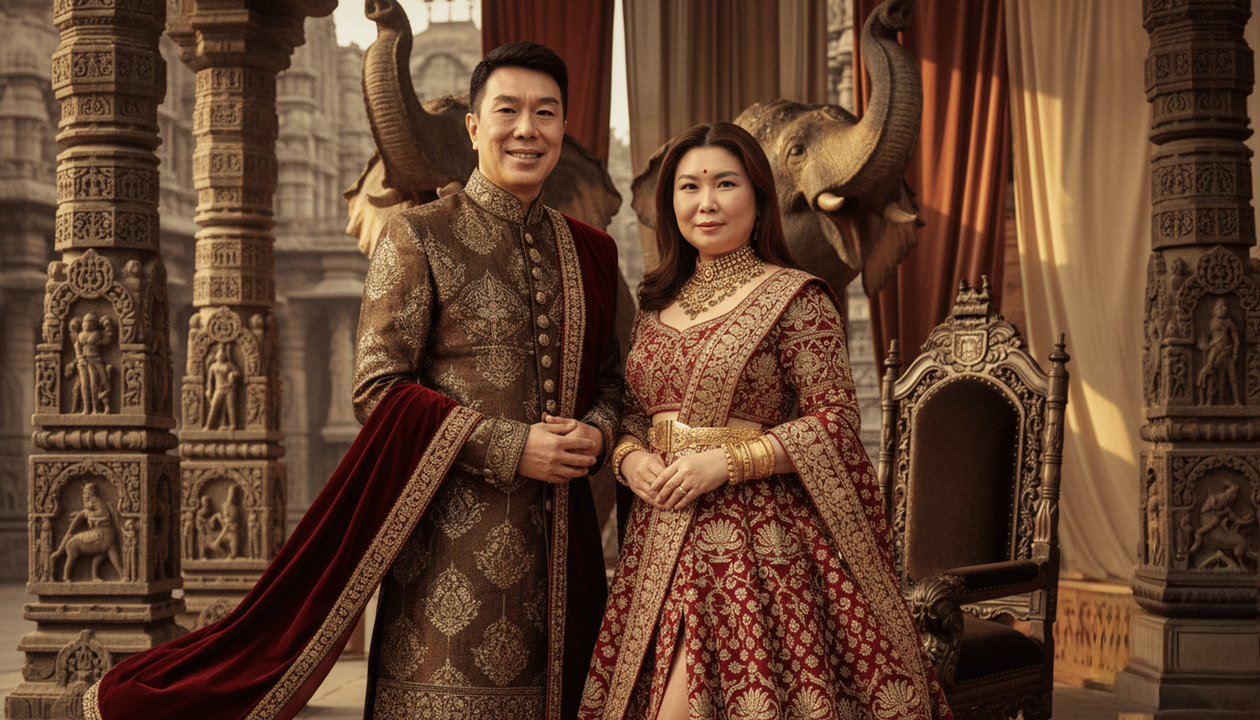
If you’ve ever tried looking for the best AI photobooth Singapore, you’ll probably run into the same situation most people do.
There are just… a lot of options.
At first, everything looks pretty similar. Same kind of visuals, same promises, same wording. It’s honestly hard to tell what’s actually different just by looking at websites.
But once you’ve seen a few in real events—or even tried them yourself—you start to notice something.
Some photobooths feel quite basic. You take a photo, maybe get a filter, and that’s about it.
Others feel completely different. People gather around, laugh, try it multiple times, and actually share the results after. It becomes part of the event, not just something sitting in the corner.
That’s when you realize the question isn’t really:
“Which is the best AI photobooth Singapore?”
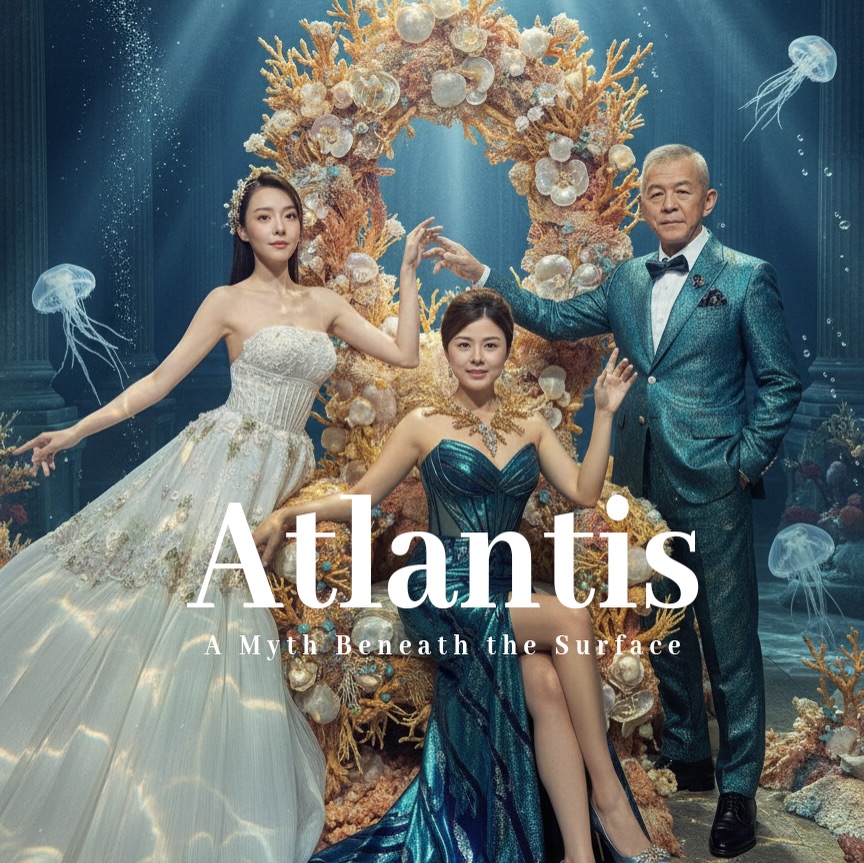
A lot of people think an AI photobooth is just a more advanced version of the usual photo booth. On paper, that sounds about right. In reality, it doesn’t quite feel that way once you’ve seen a few in action.
Some setups are honestly pretty forgettable. You walk over, take a photo, maybe get a slightly different background or effect, and then you leave. It does the job, but it doesn’t really stay with you. Most people try it once and move on.
Then there are the ones that feel completely different.
You’ll notice people hanging around longer. They’re not just taking one photo, they’re trying a few versions, calling friends over, laughing at the results, comparing who got the best one. It becomes part of the energy of the event rather than just another station in the corner.
And the interesting thing is, the difference isn’t always obvious when you’re just browsing online. It’s something you only really notice when you experience it in person.
Some setups feel like a tool. Others feel like part of the event itself.
When people talk about finding the best AI photobooth Singapore, they’re usually thinking about that second kind, even if they don’t describe it that way.
It’s easy to get caught up comparing features or prices, especially when everything looks similar at first glance. But once you’ve seen how these setups actually perform at events, a few things start to stand out more than others.
The first one is something simple, but it makes a huge difference.
At the end of the day, what people take away is the photo.
If the image feels average, people treat it like any other photo. They look at it once, maybe smile, and that’s it. It rarely goes beyond that moment.
But when the image looks good in a way that feels a bit different — cleaner, more polished, or just more “them” — the reaction changes.
People start showing it to others. They send it in group chats. They post it. Sometimes they even go back and try again just to see what else they can get.
You can almost tell how good a photobooth is just by watching what people do after they receive their photo.
The better setups don’t just produce images. They create something people actually want to keep, and more importantly, something they want to share without being asked.
Not all AI experiences feel the same, even if they look similar on the surface.
Sometimes you try a booth and after one or two photos, you already know what to expect. The results start to feel a bit repetitive, like you’re just cycling through variations of the same thing. It works, but it doesn’t really hold your attention.
Then there are setups where you don’t quite know what you’re going to get next. Each output feels a little different. It reacts in a way that feels more personal, less like a fixed template.
That’s usually when people slow down instead of walking away. They try again, compare results, and slowly start getting curious.
You’ll often hear someone say something like, “Wait, let me try one more.” That moment matters more than people think.
Because when the experience feels real and slightly unpredictable in a good way, it stops being just a feature and becomes something people genuinely enjoy.
And honestly, that reaction tends to matter far more than whatever technology is running in the background.
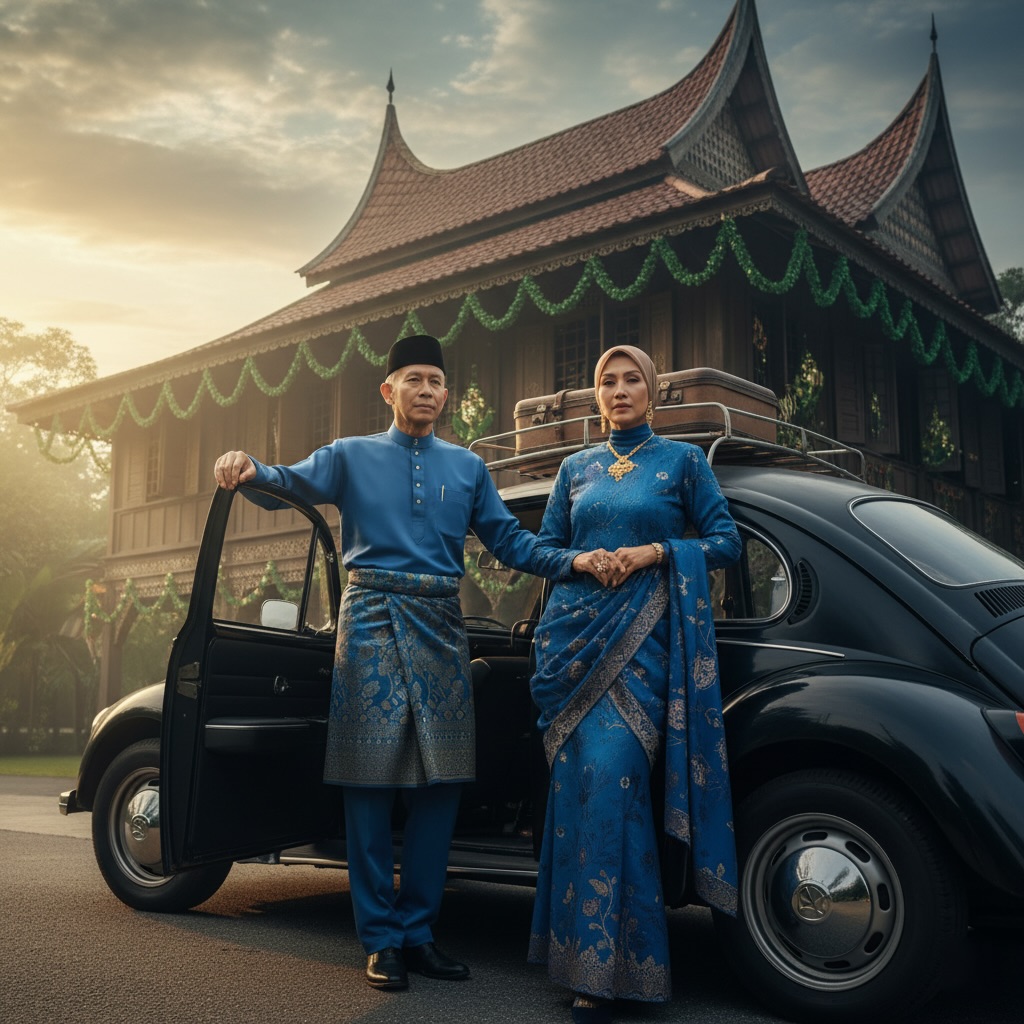
For corporate events, this is where things can either feel very polished—or very forced.
In simpler setups, branding is usually added on top. A logo in the corner, maybe a frame around the image. It’s visible, but it doesn’t really connect with what’s happening.
And people notice that, even if they don’t say it out loud.
More thoughtful setups approach it differently.
Instead of placing the brand onto the image, they build the experience around it. The visuals feel consistent with the campaign. The colors, the style, even the mood of the image all align with how the brand wants to be seen.
When it’s done well, it doesn’t feel like branding anymore. It just feels like part of the experience.
Guests don’t feel like they’re interacting with a marketing tool. They feel like they’re part of something that has a clear identity.
That’s a big difference, especially in events where branding actually matters.
What happens after the photo is taken is just as important as the photo itself.
In most events today, people don’t just want a picture. They expect to have it instantly, and they expect it to be easy to share.
If the process feels slow, or if they have to figure things out, you can almost see the drop in interest right away. People lose momentum quickly.
On the other hand, when everything feels smooth—scan, receive, share—it becomes almost effortless.
And when it’s effortless, people actually do it. You’ll see them sending it to friends, posting it, or even going back to try again because the whole process feels easy and quick.
The best setups don’t make you think about the steps. Everything just flows from one moment to the next.
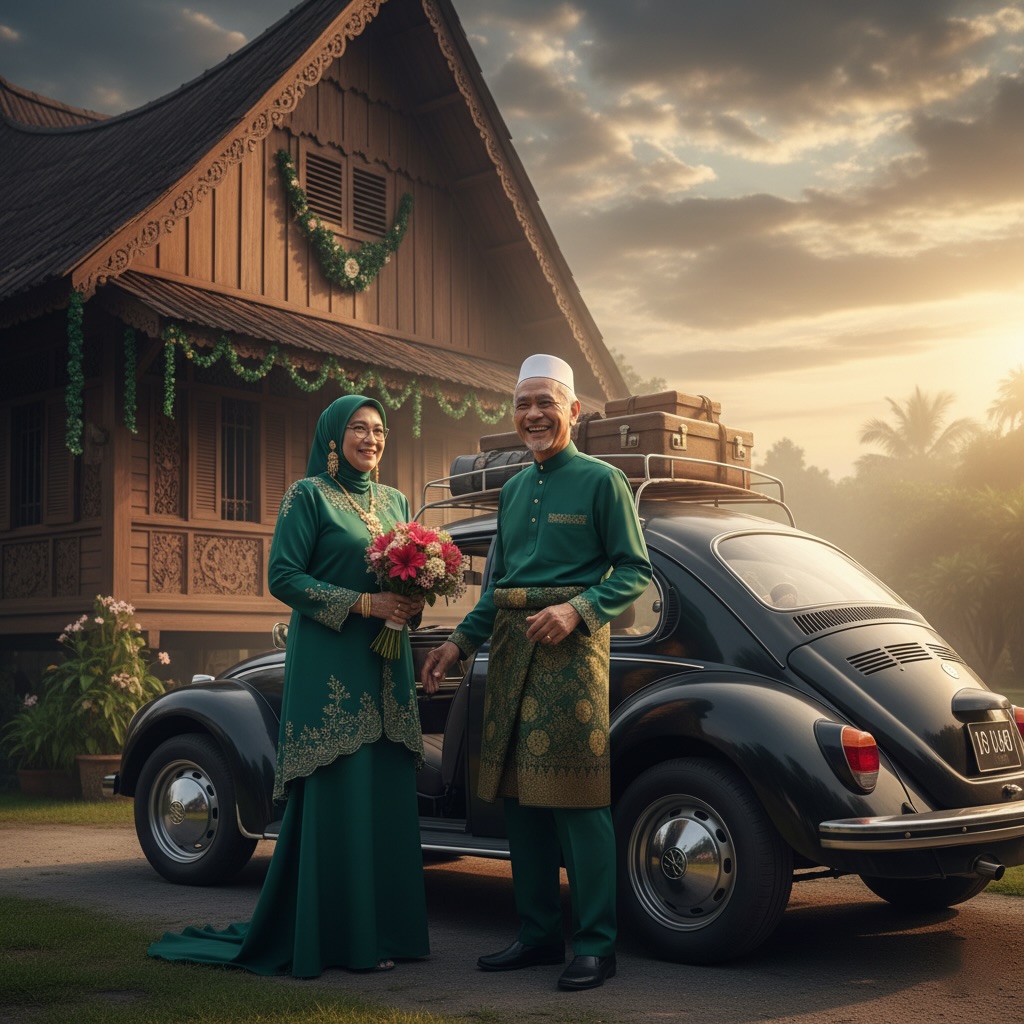
This is something that’s easy to overlook until you’re actually at the event.
From the outside, people tend to focus on the booth itself. But once the event starts, the team running it becomes just as important.
A good team keeps everything moving without drawing attention to themselves. Guests don’t have to wait, nothing feels confusing, and if something small goes wrong, it’s handled quickly before it becomes noticeable.
You only really notice the difference when it’s missing.
When there’s no guidance, or things slow down, or the setup doesn’t feel stable, it affects the whole experience more than people expect. Even the best-looking system can fall flat if the execution isn’t there.
And when everything works smoothly, most people won’t think about the team at all—which usually means they’re doing their job really well.
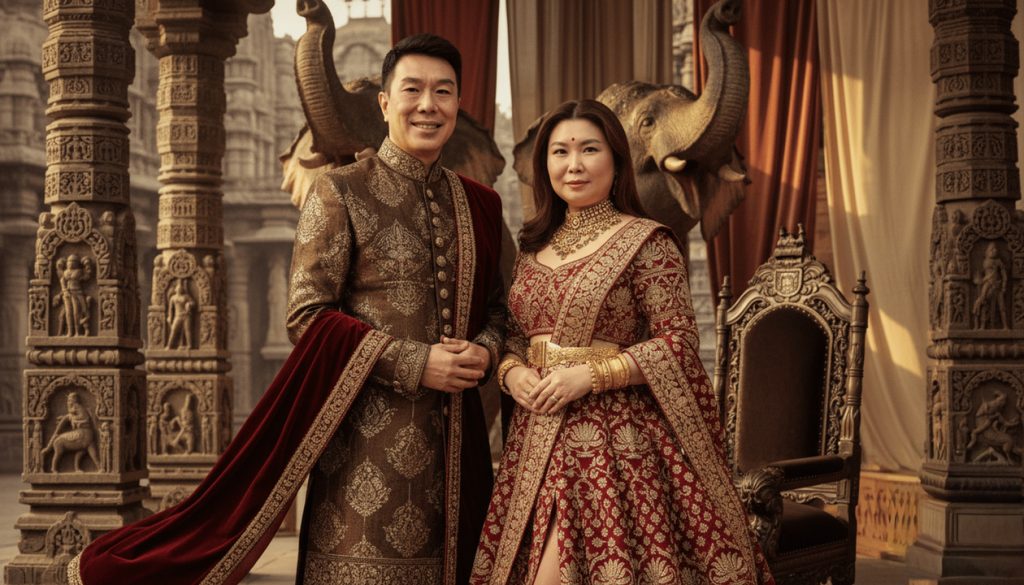
When people search for the best AI photobooth Singapore, it sounds like they’re looking for a clear winner. Something definitive. The top option that works for everyone.
But in reality, it doesn’t quite work that way.
Why “Best” Isn’t Always Universal
After seeing how different photobooths perform at different types of events, you start to notice that “best” is a lot more subjective than it seems. What works really well in one setting might feel completely off in another.
For example, a booth that’s fun, loud, and visually bold might be perfect for a birthday party or a brand activation targeting younger audiences. People want something playful, something they can experiment with and share instantly.
But take that same setup into a more formal corporate event, and it might feel out of place. In that environment, the expectation shifts. The visuals need to be cleaner, more refined. The experience needs to feel aligned with the brand, not just entertaining.
That’s why the idea of “best” isn’t really about having the most features or the most advanced technology. It’s about alignment.
The best AI photobooth Singapore for your event is the one that fits naturally into what you’re trying to create. It supports the mood, matches the audience, and delivers the kind of interaction you actually want people to have.
Sometimes that means prioritizing creativity and energy. Other times, it means focusing on consistency, branding, and execution.
And in many cases, it’s not even about what the booth can do on paper. It’s about how people respond to it in the moment.
You can usually tell how well a setup is working just by watching how people react to it.
Some guests stay longer than you’d expect, trying a few variations instead of just one. Others come back later with friends, wanting to experience it again together. And quite often, people start sharing their photos right away, without anyone needing to prompt them.
Those small moments say far more than any list of features ever could.
So instead of focusing too much on finding “the best AI photobooth Singapore,” it might be more helpful to step back and think about something else first.
What kind of experience do you actually want people to have at your event? Once you’re clear on that, the right choice tends to become much easier—and much more obvious.
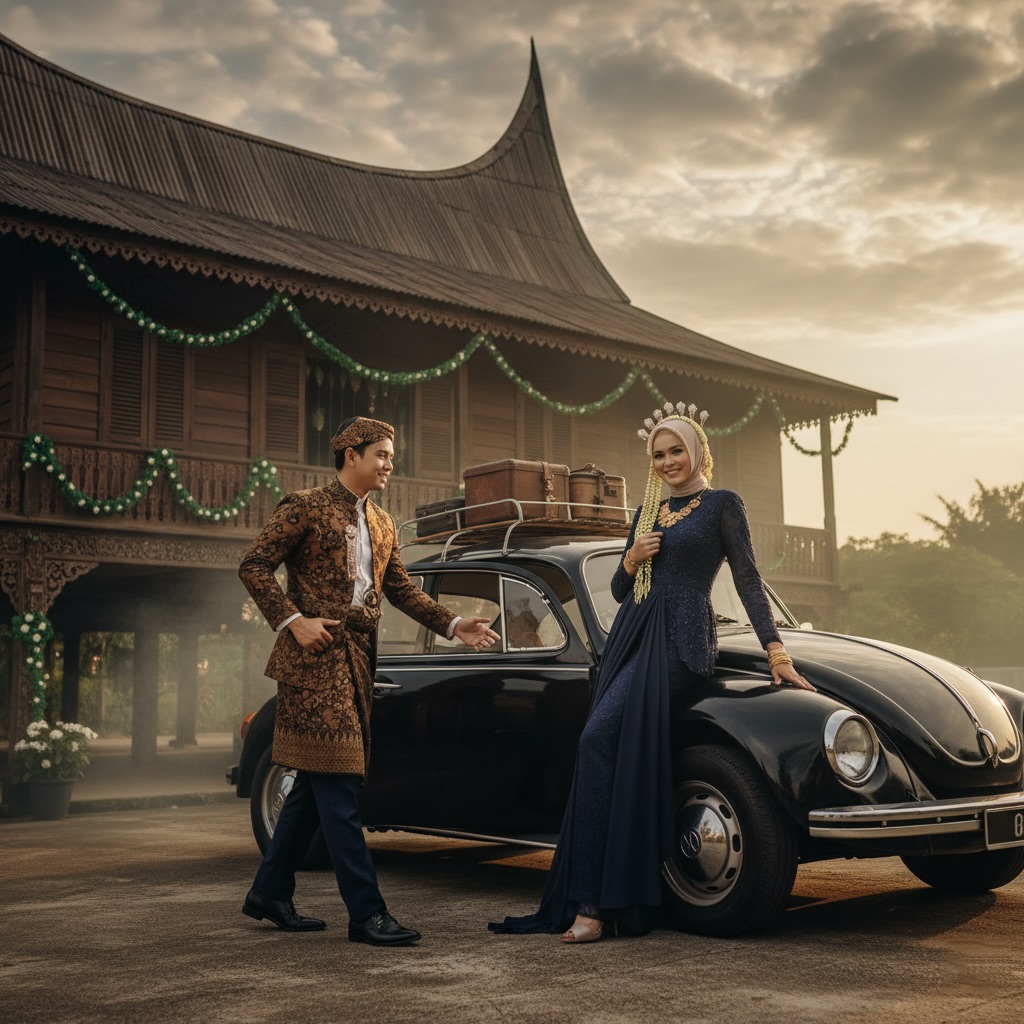
Choosing the best AI photobooth Singapore isn’t really about finding the most advanced setup or the longest feature list. It’s about finding something that fits your event in a way that feels natural.
When everything works well, people don’t think about the technology behind it. They just enjoy the experience. They spend a bit more time there than expected, they bring others over, and they leave with something they actually care about.
That’s usually a good sign you’ve made the right choice.
In the end, a photobooth shouldn’t feel like an extra add-on. It should feel like part of the event itself—something that adds to the atmosphere rather than sitting on the side.
If you keep that in mind while exploring your options, it becomes much easier to see which setup truly stands out for the kind of experience you want to create.