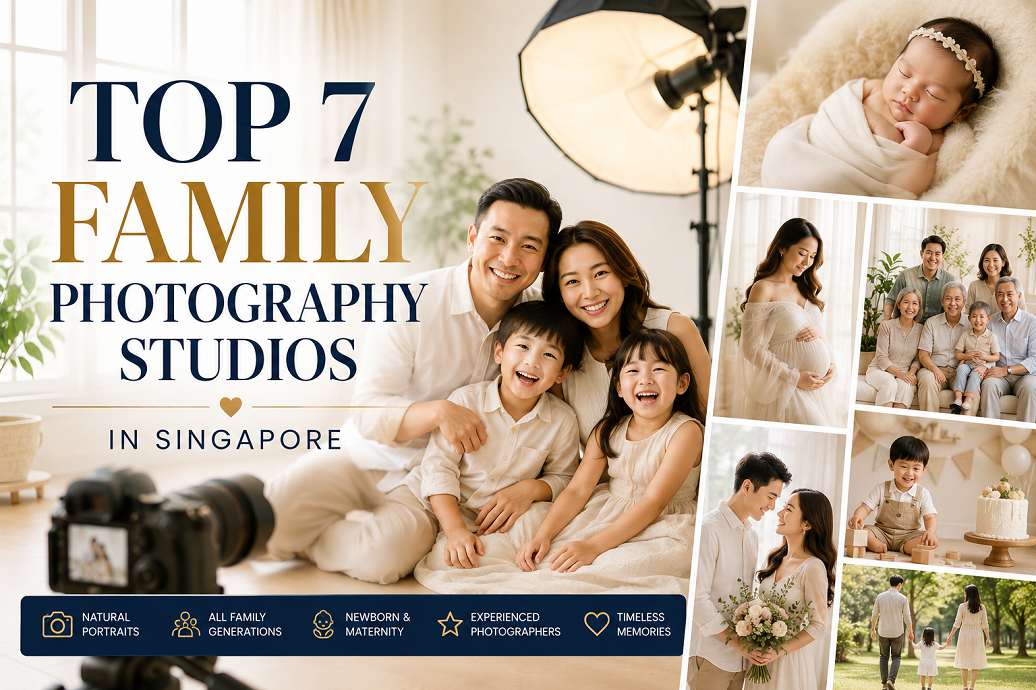
Top 7 Family Photography Studios in Singapore (2026)
Family photos turn fleeting moments into keepsakes you will treasure for years — from a newborn’s first days to a…

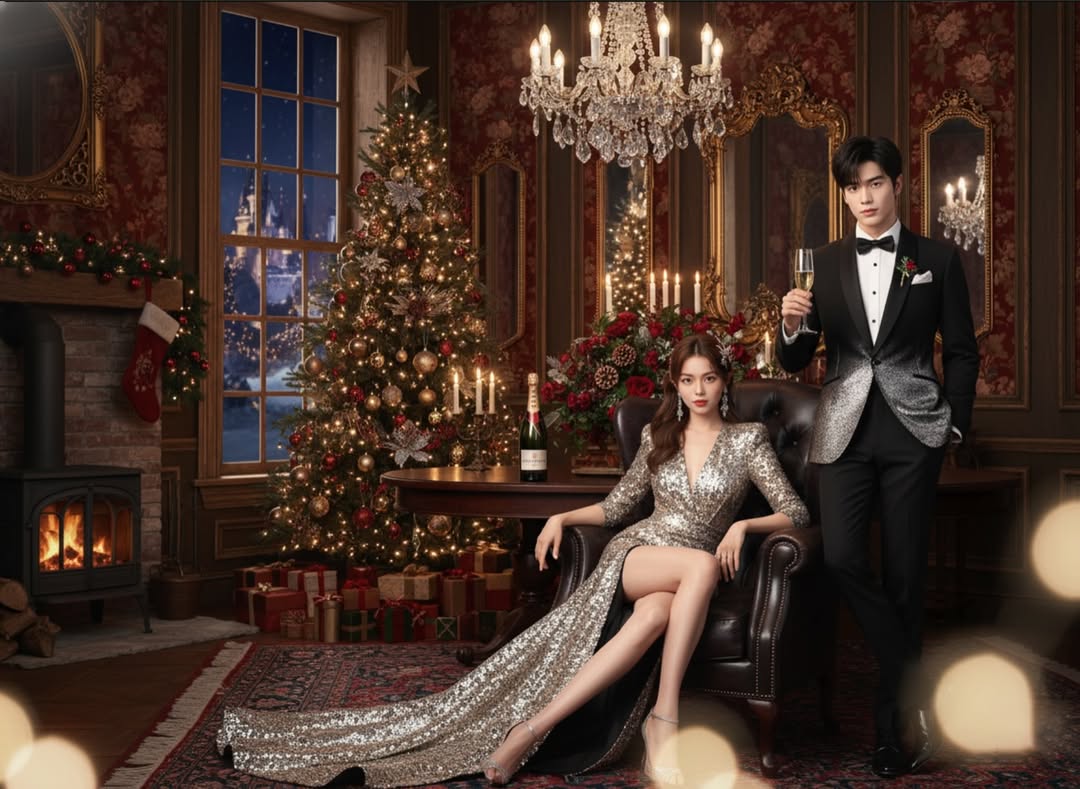
Many event organizers today compare AI photobooth vs traditional photobooth setups before deciding which experience fits their event better. If you’re planning an event in Singapore right now, there’s a good chance you’ve already come across both options: the traditional photobooth and the newer AI-powered version.
And honestly, from a distance, they can look pretty similar.
People gather around, take photos, laugh for a few minutes, and walk away with something to keep or share. So it’s understandable why many event organizers start comparing AI photobooth vs traditional photobooth setups before making a decision.
But once you start seeing how guests actually interact with them during real events, the difference becomes much more noticeable.
The interesting part is that the gap between an AI photobooth vs traditional photobooth experience usually isn’t about the hardware or the technology itself. Most guests don’t care what software is running behind the scenes.
What they remember is how the experience made them feel. And that’s usually where AI photobooths start to stand apart.
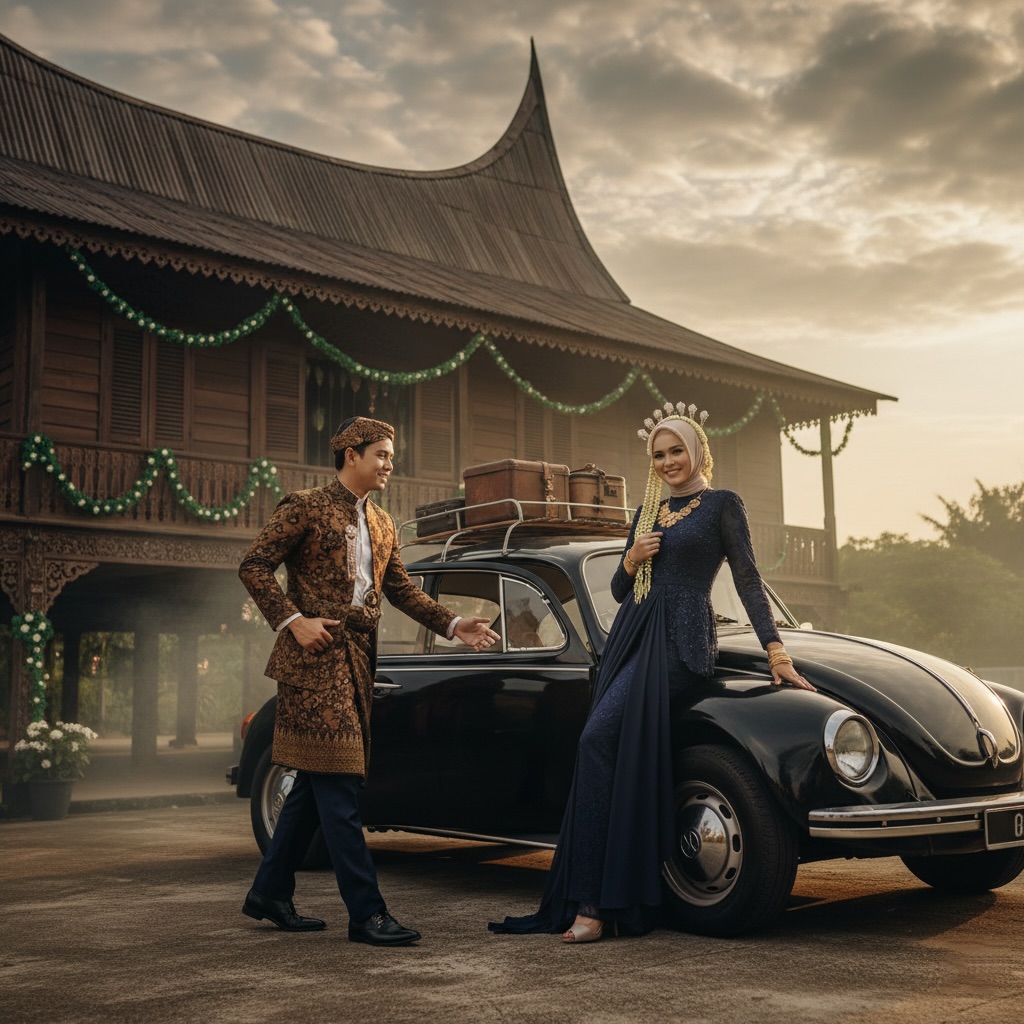
From the outside, traditional photobooths and AI photobooths can look surprisingly similar. You walk up, take a photo, receive an image, and continue with the event. That basic flow hasn’t really changed.
That’s one reason why the AI photobooth vs traditional photobooth discussion has become more common recently, especially for businesses planning modern events in Singapore.
But once you start paying attention to how guests behave around each setup, you notice the experience feels very different. Traditional booths are usually straightforward and predictable. People know what to expect before they even step in front of the camera.
AI photobooths create a little more curiosity.
Guests often don’t know exactly what the final result will look like, and that uncertainty becomes part of the fun. People experiment more. They spend longer at the booth. They start showing results to friends nearby.
That shift in behavior changes the entire atmosphere around the setup.
There’s a reason traditional photobooths have stayed popular for so long. They’re simple, familiar, and easy for anyone to understand immediately.
For weddings, birthday parties, school events, or casual gatherings, that simplicity still works very well. Guests step in, pose for a few photos, collect the printout, laugh for a moment, and move on.
And honestly, not every event needs something more complicated than that. Sometimes people just want a fun little activity that doesn’t require much explanation.
Traditional booths are also often easier to manage overall. The setup tends to be more straightforward, which is one reason they’re still commonly used for smaller events and casual gatherings.
For organizers working with tighter budgets or simpler event formats, that convenience can actually be a big advantage. Guests already understand how the experience works, so there’s very little learning curve involved.
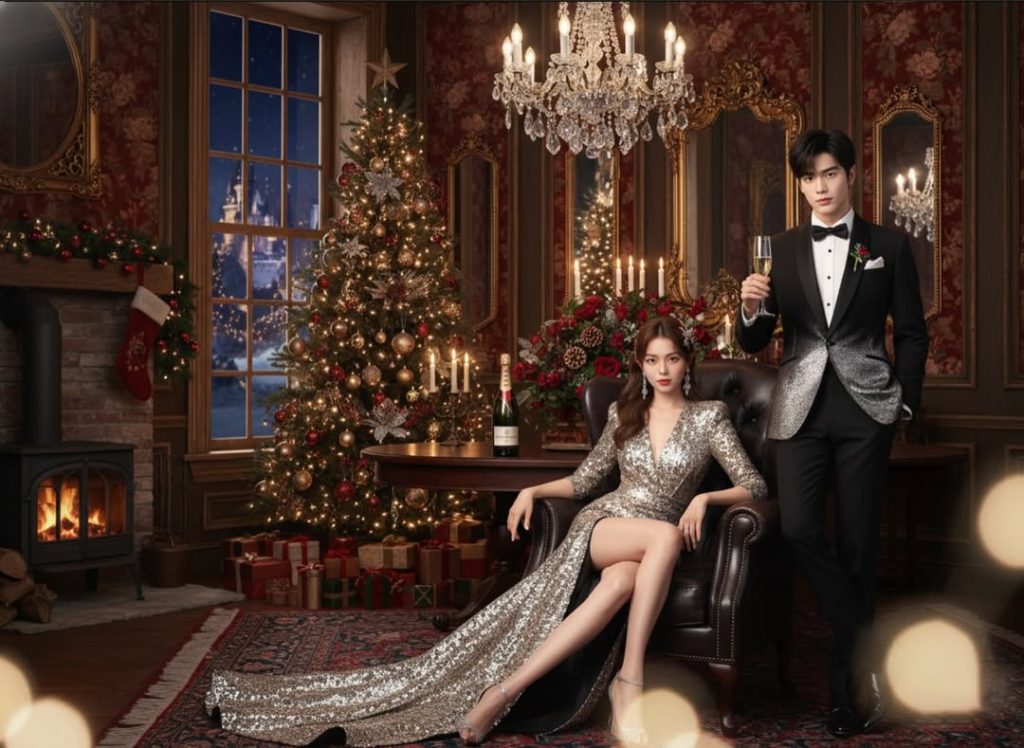
That’s why traditional photobooths still make sense in many situations today.
The challenge usually starts when the expectations of the event become bigger than what a traditional setup was originally designed to deliver. Once branding, audience engagement, or social sharing become more important, the limitations start to show a little more clearly.
And that’s usually where the conversation around AI photobooth vs traditional photobooth starts to change.
A good AI photobooth Singapore setup doesn’t just feel like a photo station. It feels more interactive.
People don’t always walk away after one attempt. They try different styles. They compare versions. Some even come back later with friends because they want to see different results together.
You can usually tell very quickly when an AI setup is working well. Guests stay longer than expected. Small crowds start forming around the booth. Conversations happen naturally because people become curious about what others are getting.
That kind of engagement rarely happens by accident. It comes from the experience feeling less repetitive and more personalized.
And that’s usually where AI photobooths start standing apart from traditional ones in the overall AI photobooth vs traditional photobooth experience.
Traditional photobooths are familiar enough that most guests already understand how the experience works before they even walk over to it. They take a few photos, wait for the printed strips, laugh for a moment with friends, and then continue enjoying the rest of the event.
There’s actually something comforting about that familiarity, especially for weddings, birthday parties, or smaller gatherings where the photobooth is simply meant to add a bit of fun rather than become a major part of the experience.
At the same time, because the process feels so predictable, the interaction usually stays fairly short. Most guests try it once, enjoy the moment, and then move on fairly quickly.
That doesn’t mean traditional photobooths are ineffective. It simply means the level of engagement is often more limited compared to experiences that encourage guests to interact for longer periods of time.
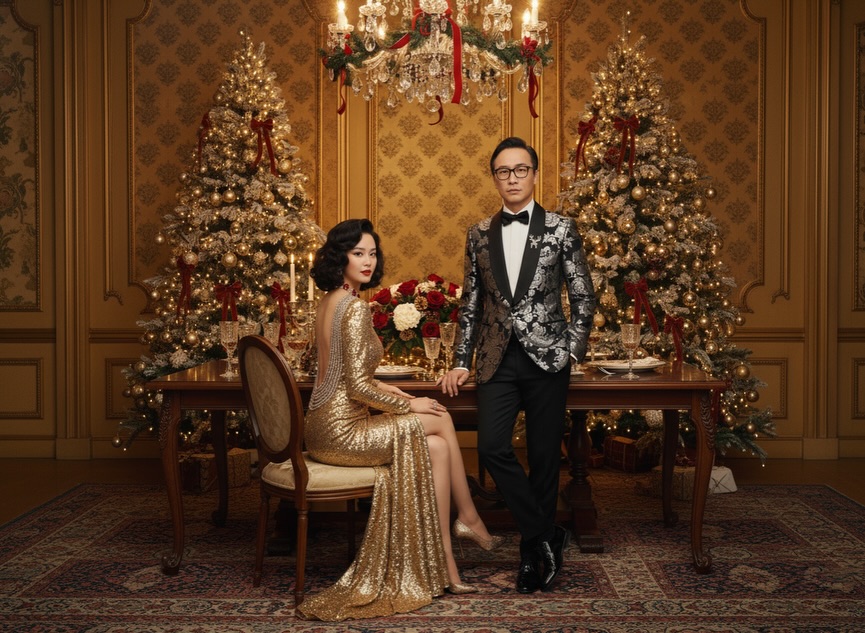
AI photobooths usually create a very different kind of atmosphere compared to traditional setups. Instead of guests taking a quick photo and immediately walking away, people often stay nearby longer just to see what kind of results others are getting.
You’ll notice small groups naturally forming around the booth. Some guests start comparing styles, others begin recording reactions on their phones, and quite a few end up sharing their images almost immediately after receiving them.
What’s interesting is that the booth stops feeling like a simple photo station after a while. It starts feeling more like part of the entertainment itself.
People interact with it repeatedly because the experience feels less predictable. Every result looks slightly different, and that small element of surprise keeps people curious enough to try again or bring someone else over to join in.
That’s usually where the engagement starts becoming much stronger than what you typically see with a traditional photobooth setup.
For event organizers, that difference in engagement matters far more than it may seem at first.
A traditional photobooth is usually designed to capture a quick moment. Guests participate, enjoy the experience briefly, and continue with the event.
An AI photobooth experience tends to hold attention for much longer.
And once people stay engaged longer, the entire atmosphere around the event starts to change. Guests interact more with each other, conversations happen more naturally, and the booth itself becomes something people remember rather than just another activity at the venue.
This becomes especially important for corporate events and brand activations where businesses often want more than simple entertainment. They want guests to connect with the experience, talk about it afterward, and ideally share part of it online.
That’s much easier to achieve when people genuinely enjoy interacting with the booth instead of simply using it once and moving on.
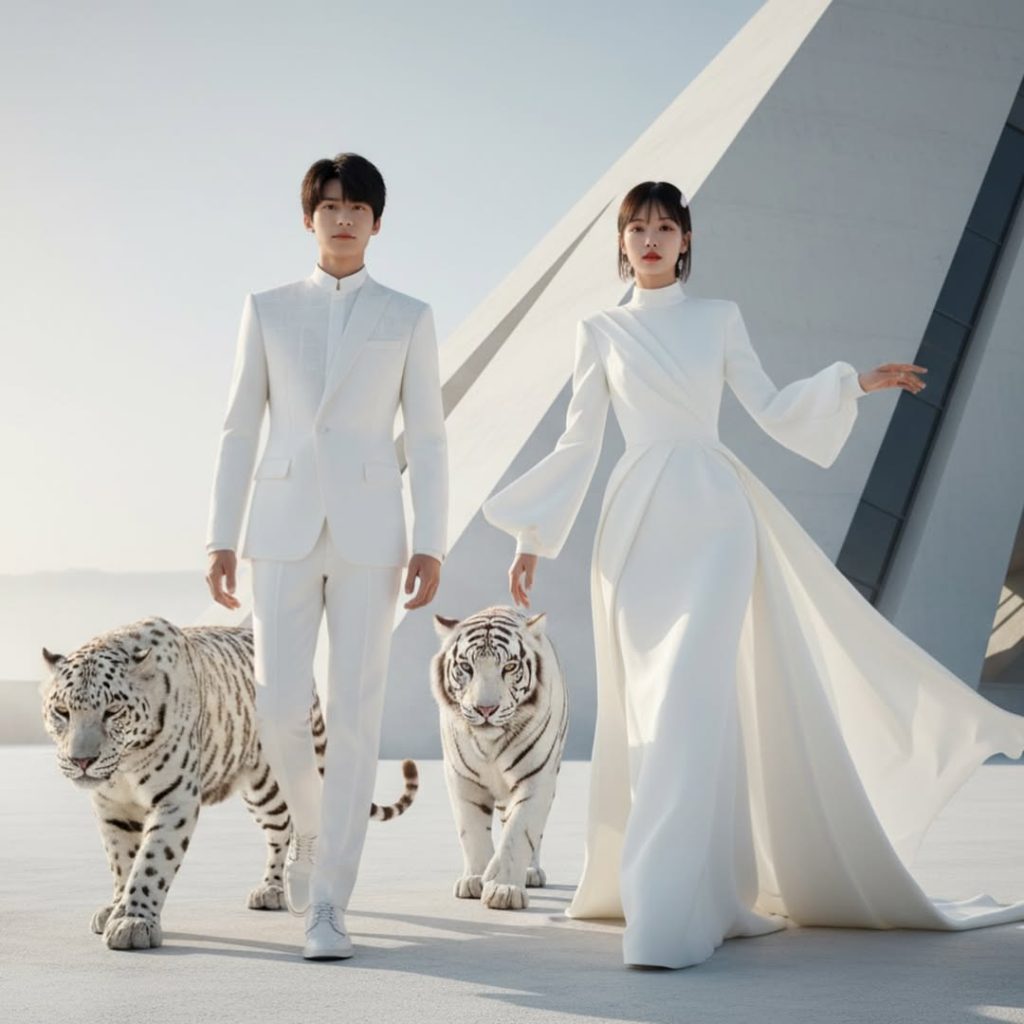
Traditional photobooths usually handle branding in a fairly straightforward way. Most of the time, the company logo appears somewhere on the printed photo, or there’s a branded frame and backdrop placed around the setup.
That approach still works for many events, especially when the goal is simply to keep the visuals consistent. Guests can clearly see the branding, and the company presence is visible throughout the experience.
At the same time, the branding often feels separate from the interaction itself. People notice the logo, but they don’t always feel emotionally connected to the brand through the experience.
That difference becomes much more noticeable in marketing-focused events where businesses want guests to remember more than just the photo.
One of the biggest differences with an AI photobooth Singapore setup is how naturally the content tends to spread after the event.
Most people don’t share photos online simply because they took them. They usually share things that feel more personal, visually interesting, or different enough to stand out on social media.
That’s where AI-generated visuals tend to perform much better.
When guests receive something creative or unexpected, the reaction is often immediate. Some post it on Instagram Stories within minutes, while others start sending the images to friends or sharing them in group chats without anyone asking them to.
And once that starts happening, the value of the experience changes completely because the interaction no longer ends at the venue itself.
For businesses, that kind of sharing has become increasingly important.
Companies today are often looking for more than simple entertainment. They want engagement, stronger visibility, and experiences that people continue talking about after the event is over.
A traditional photobooth can definitely create enjoyable moments for guests. But a strong AI setup can also turn those moments into content people voluntarily distribute online, which creates a very different level of marketing impact.
That’s one of the main reasons more corporate events and brand activations in Singapore are gradually moving toward AI-based experiences instead of relying entirely on traditional photobooths.
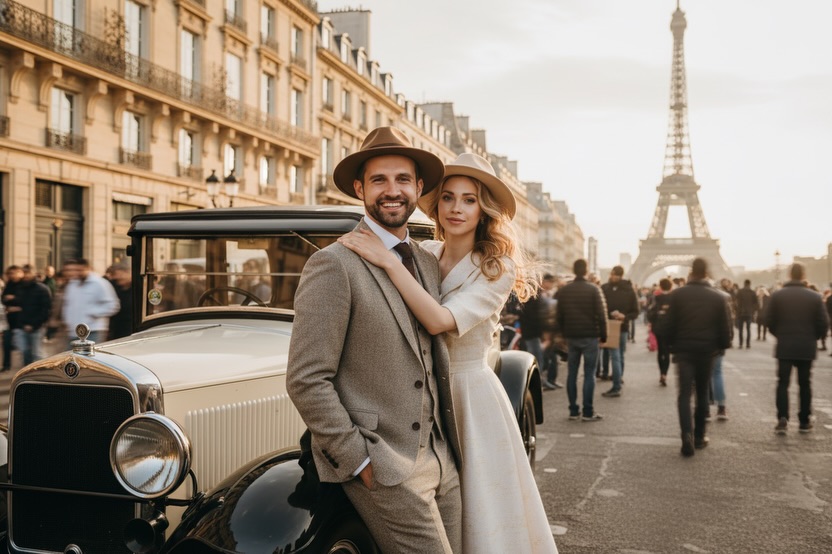
Traditional photobooths still make a lot of sense for certain types of events, especially when the goal is to keep the experience simple, relaxed, and familiar for guests.
Smaller parties, family gatherings, school celebrations, and casual weddings often don’t need heavy customization or highly interactive technology. In many of these situations, people are perfectly happy taking a few photos with friends, collecting printed copies, and enjoying the moment without overthinking the experience itself.
There’s also a nostalgic quality to traditional booths that many guests still enjoy. The process feels familiar, easy to understand, and comfortable for almost every age group, which is one reason these setups continue to work well even today.
For events where the photobooth is meant to be a fun addition rather than a major attraction, a traditional setup can honestly be more than enough.
AI photobooths usually become much more valuable once the goals of the event start going beyond simple entertainment.
In corporate events, product launches, exhibitions, or brand activations, organizers are often looking for something that creates stronger interaction and keeps guests engaged for longer periods of time. They want people to remember the experience afterward, talk about it online, and feel more connected to the event itself.
That’s where an AI photobooth Singapore setup tends to stand out much more clearly.
Because the experience feels more interactive and personalized, guests naturally spend more time with it. They experiment with different styles, compare results with friends, and often end up sharing the content online without being encouraged to do so.
In those situations, the photobooth stops being just an activity and starts becoming part of the overall event experience.
This is probably the most important part of the entire comparison because the better option really depends on what you want the event to achieve.
If the goal is simply to create a casual and enjoyable activity for guests, then a traditional photobooth may honestly be all you need. It keeps things simple, familiar, and easy for everyone to enjoy.
But if the event is focused more heavily on branding, audience engagement, or creating moments people will continue sharing afterward, then AI experiences usually provide much stronger long-term value.
That’s why the conversation around AI photobooth vs traditional photobooth isn’t really about deciding which technology is “better” overall. It’s more about understanding which experience fits the atmosphere, audience, and goals of your event more naturally.
At the end of the day, the difference between an AI photobooth vs traditional photobooth comes down to the kind of experience you want guests to have.
Traditional booths still work well for simple and casual events. But if the goal is stronger engagement, more sharing, and a more memorable atmosphere overall, AI photobooths tend to create a very different reaction from guests.
And honestly, once you see people interacting with a good AI setup in real life, it becomes pretty easy to understand why more events in Singapore are moving in that direction.